Slope-by-slope documentation
A written inspection report with photos located by slope, so the adjuster sees the damage as the storm left it, not as a sales pitch.
A roofer can document your damage, write a scope and meet your adjuster on site to talk through the roof. A roofer cannot file your claim, negotiate your settlement or act as your adjuster: Texas Insurance Code section 4102.163 bars a contractor from acting as, or advertising to act as, a public adjuster on property it works on, and a website counts as an advertisement. This page explains the claim process lawfully, so you know what we can do, what your insurer must do, and what is yours to do.
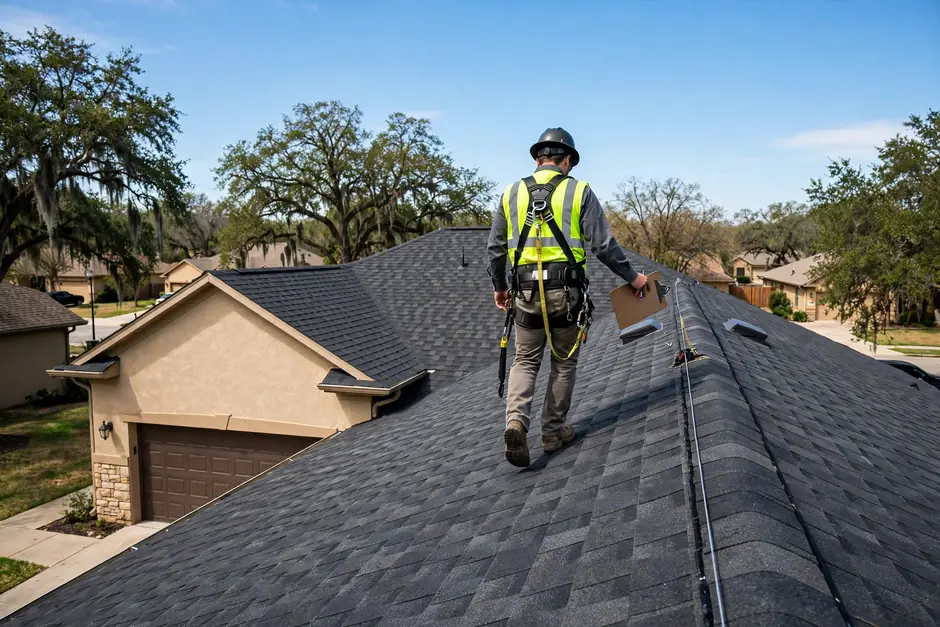
You file the claim, not us. You call your carrier, get a claim number and log every call. Then you meet the adjuster on site, ideally with us there to talk through the roof, with a written slope-by-slope inspection report in hand. On a replacement-cost policy you usually get two payments: the first after the adjuster has looked, for the estimated cost minus depreciation and your deductible, and the rest, the recoverable depreciation, after repairs have started. If the scope misses items, a supplement is the way to add them, and if you disagree with the decision, the policy's appraisal route, a Texas Department of Insurance complaint or legal advice are the paths.
Two numbers decide most claims. First, your deductible: under Texas law you must pay it, and a contractor that pays, waives, absorbs or rebates it commits a Class B misdemeanour. Second, replacement cost versus actual cash value. The Texas Department of Insurance gives a worked example: on a $10,000 roof replacement with a $4,000 deductible, a replacement-cost policy pays $6,000 regardless of roof age, while an actual-cash-value policy pays $4,500 on a five-year-old roof, $3,000 on a ten-year-old roof and nothing on a 20-year-old roof. Read your declarations page and endorsements before you file, and check whether your roof-age or cosmetic-damage endorsement changes the picture.
The line is drawn by Texas law, and we stay on the lawful side of it. Here is what we do, and what we do not do.
A written inspection report with photos located by slope, so the adjuster sees the damage as the storm left it, not as a sales pitch.
A written scope of the repair or replacement, with measurements and material, that your adjuster can compare against their own estimate.
We can meet your adjuster on site to talk through the roof as the contractor. That is contracting work, not adjusting, and we keep it that way.
If the adjuster's scope misses items, we document the missing scope as the contractor, so you can ask your carrier for a supplement with evidence in hand.
If a claim is denied, a second documented inspection can show what was missed. We document; the decision and any dispute are yours to pursue.
Your deductible is yours to pay. We never waive, absorb, rebate or credit it, and we never inflate an estimate so the carrier effectively covers it.
Tarp holes, cover broken windows, remove standing water and keep every receipt. Most policies pay reasonable temporary repairs. Do not make permanent repairs before the adjuster sees the roof.
Dated photos and video of every slope, vents, flashing, gutters, siding and interior stains. Keep damaged items until the insurer says they can go.
You file, not us. Get a claim number, log every call with the date, the person and what was said, and read your policy's notice clause.
Meet the adjuster on site with our written slope-by-slope report. We talk through the roof as the contractor while the adjuster does their job.
On a replacement-cost policy the first payment comes after the adjuster visit, and the recoverable depreciation after repairs start. Missing items go back as a supplement, with our documentation.
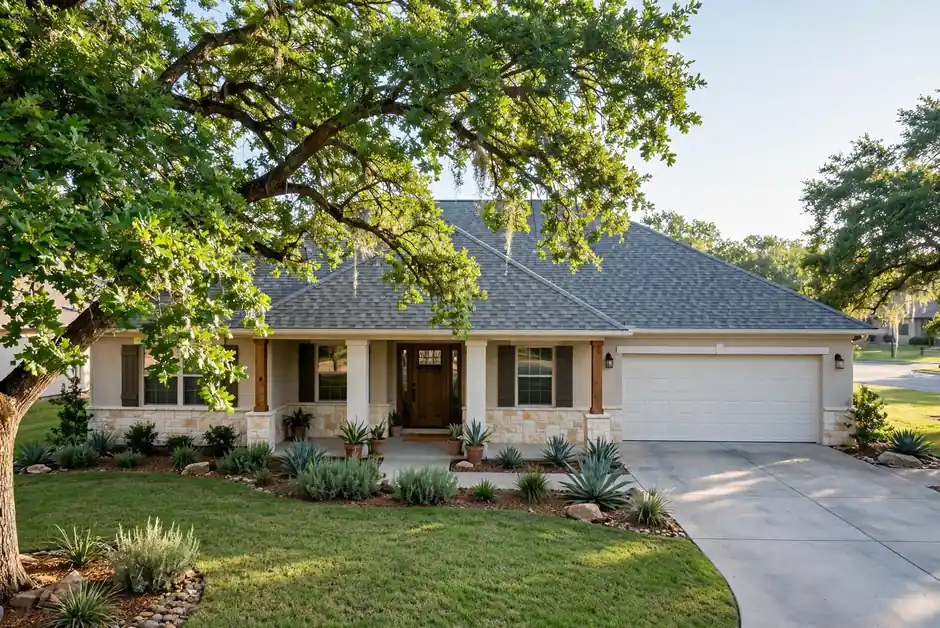
Tarp holes, cover broken windows, remove standing water and keep every receipt. Most policies pay reasonable temporary repairs. Do not make permanent repairs before the adjuster sees the roof.
Damage is photographed and located by slope before anything is moved, giving you a dated record for your insurer.
A report your adjuster can compare against their own estimate, slope by slope, instead of a verbal claim.
Reads how far water travelled in the deck and attic, so the scope covers the real damage, not just the visible hole.
Slope measurements and roof area recorded on site, so the scope is built on real numbers your adjuster can check.
We point you to the Texas Department of Insurance guidance and the statute, so you can check what we say instead of taking our word for it.
A simple log for your calls with the carrier: date, person, what was said. It is yours to keep, and it matters if the claim is disputed.
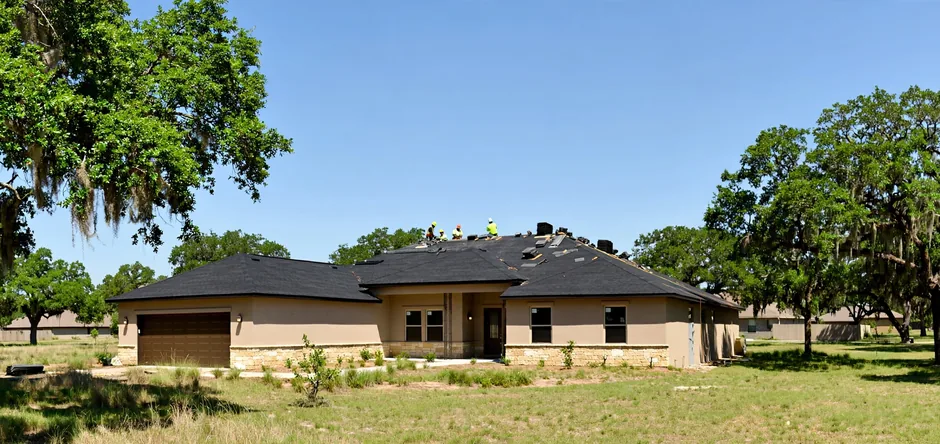
An insurer may question whether hail damaged a 12-year-old roof, or whether the wear was age.
What we do: a slope-by-slope report with photos separating hail damage from age, a written scope, and an on-site meeting with the adjuster to talk through the roof. The homeowner filed and pursued the claim; we documented it.
Book this service →A first scope can miss the ridge cap and the valley flashing the wind damaged, and the first payment may not cover them.
What we do: document the missing items as the contractor, with photos, so the homeowner could ask the carrier for a supplement with evidence in hand.
Book this service →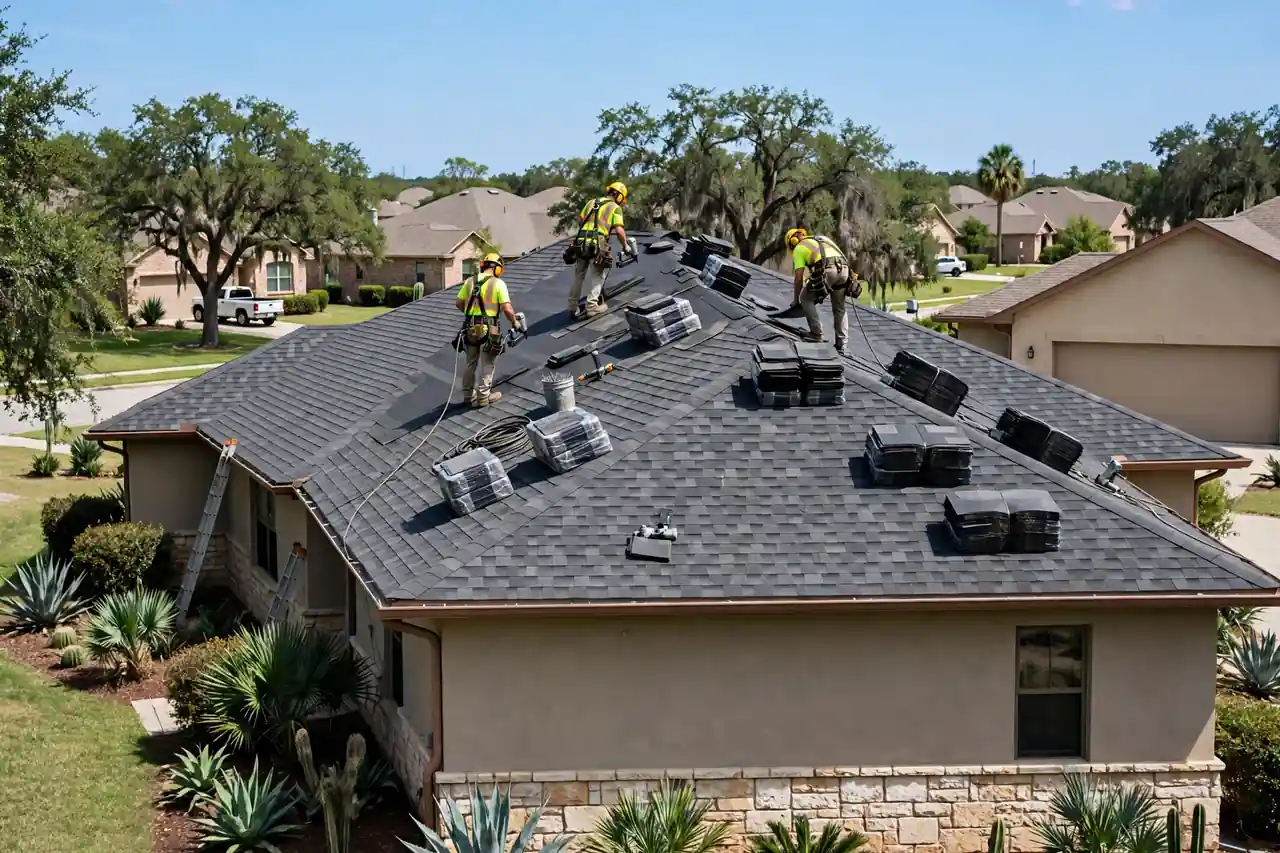
A claim can be denied after a brief adjuster visit, with the hail bruising on the north slope unrecorded.
What we do: a second documented inspection showing what was missed, with photos located by slope, so the homeowner could ask for a re-inspection.
Book this service →A claim is won or lost on the record behind it: damage moved before it was photographed, a claim filed late with nothing to show, a scope that misses the ridge and valleys, or a deductible offer that puts the claim itself at risk. These are the claim problems we see most, and what each one costs a homeowner who discovers it too late.
Ask a pro →Nothing is moved until it has been photographed, so your insurer sees the damage exactly as the storm left it.
We document the damage while it is fresh and give you the report, so the claim starts from evidence instead of memory.
We scope the whole roof, not just the slope the adjuster looked at, so missing items can be supplemented with evidence.
We never waive or absorb a deductible. An insurer can hold back recoverable depreciation until it has proof the deductible was paid.
“Found their ad on marketplace, super quick feed back. Gentlemen stopped by same day to inspect roof. This company is extremely professional and quick. They had our roof done in 2 days. Great price point and easy to work with. Thank you Juarez Contracting.”
Alethia VelazquezGoogle review
“Chris was professional, on time for the estimate, very informative about what needed to be done,and willing to work with me. Thank you for a job well done.”
Belinda SalinasGoogle review
“Very fast estimate and fixed within 24 hours of asking them for help. Very fast and very reliable. My roof looks great!”
Jamie KGoogle review
No, and Texas law says so. Insurance Code section 4102.163 bars a contractor from acting as, or advertising to act as, a public adjuster on property it works on. We document the damage, write the scope and meet your adjuster on site to talk through the roof. You file the claim and pursue it.
Replacement cost pays to repair or replace at current prices. Actual cash value pays replacement cost minus depreciation for wear and age. The Texas Department of Insurance example: on a $10,000 roof with a $4,000 deductible, replacement cost pays $6,000 regardless of roof age, while actual cash value pays $4,500 on a five-year-old roof, $3,000 on a ten-year-old roof and nothing on a 20-year-old roof.
Not as a general Texas law. The only verified one-year filing statute is for TWIA coastal windstorm policies, and San Antonio is not in TWIA territory. For a private policy, the deadline is your policy's own notice clause, which commonly requires prompt notice. Read your policy and report damage promptly.
Under the Prompt Payment of Claims Act, your insurer must acknowledge the claim and begin investigating within 15 days, accept or reject it in writing within 15 business days of receiving all the items it requested, and pay an accepted claim within 5 business days of telling you it will pay.
Call (254) 329-0299 during business hours for a slope-by-slope inspection with photos and a written scope you can give your insurer.
Call (254) 329-0299 →Call us at (254) 329-0299 or send an email. We answer the phone during business hours and return after-hours messages first thing the next business morning. Claim documentation visits are by appointment.