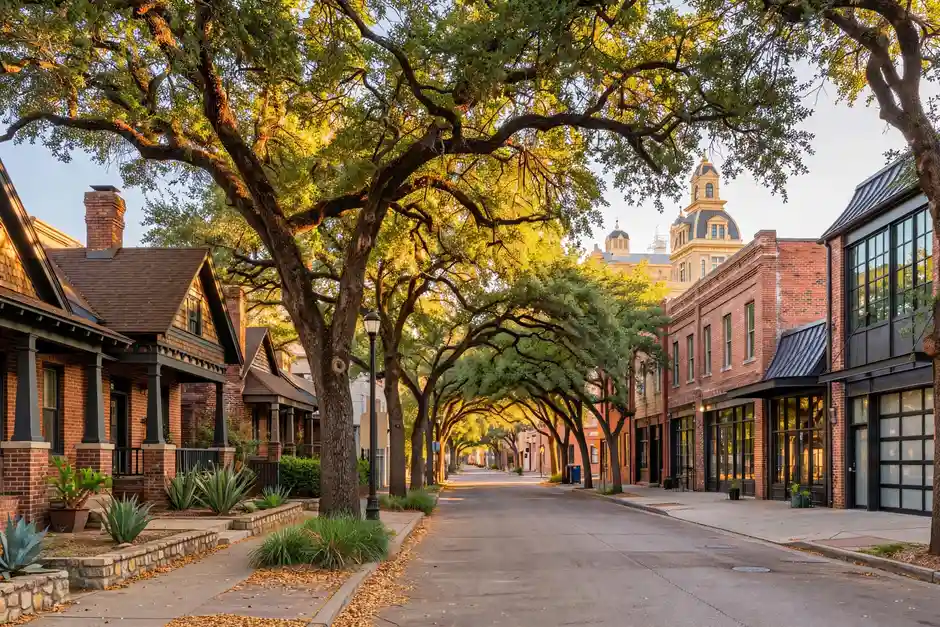
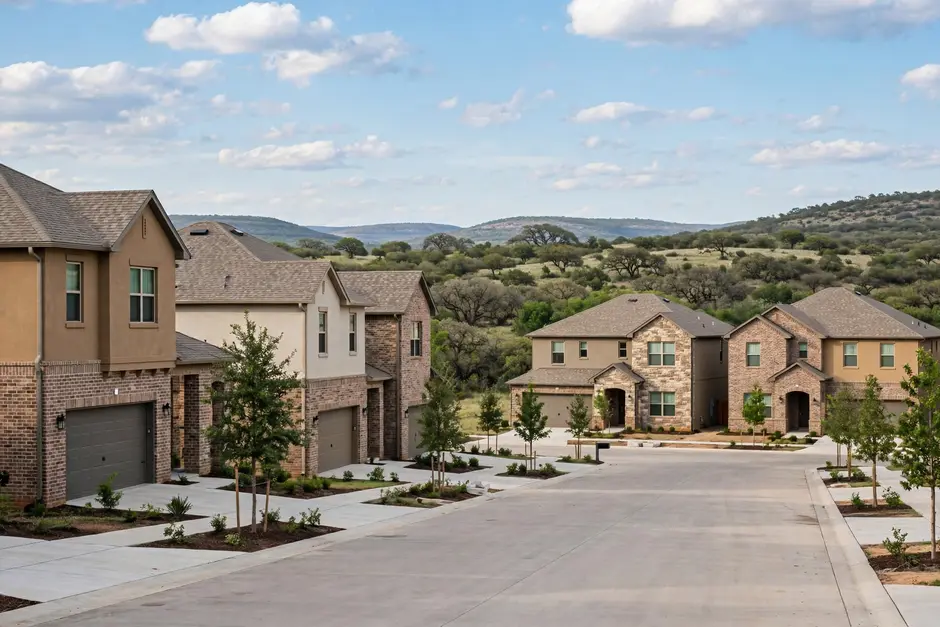
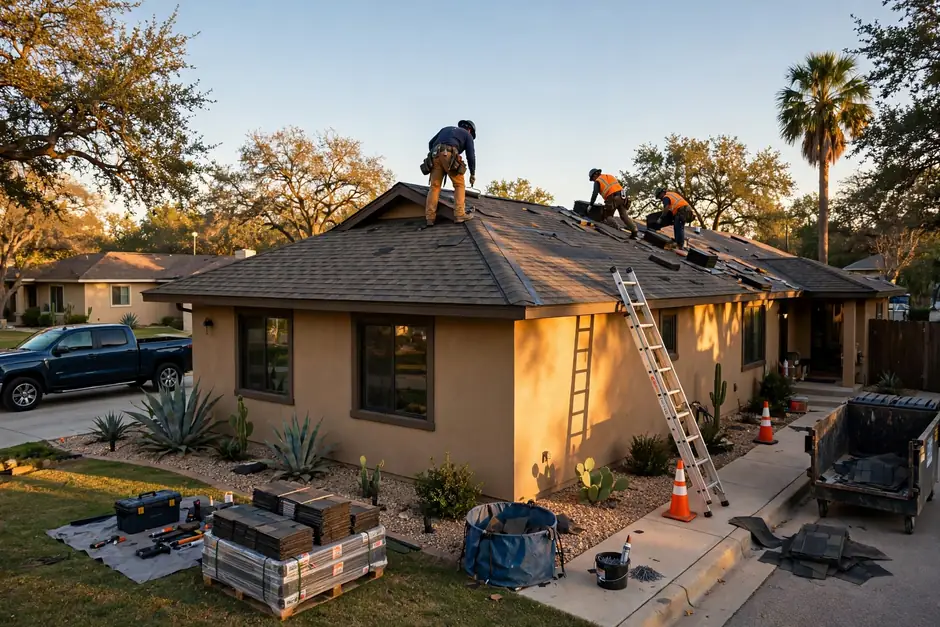
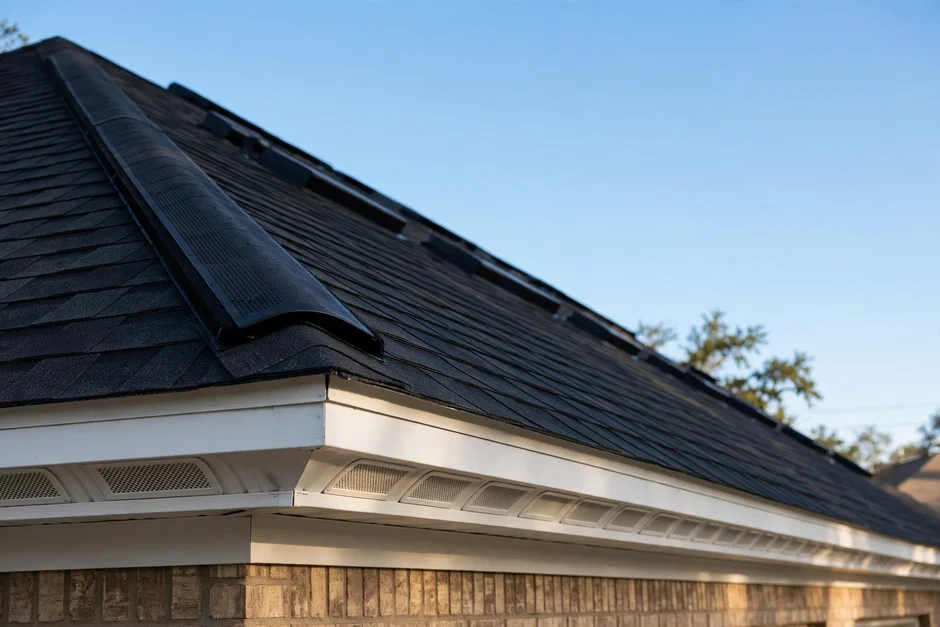
Westover Hills grew as a far-west master-planned community in the 78251 area, in the same Highway 151 and Loop 1604 corridor as Alamo Ranch, with SeaWorld San Antonio and Northwest Vista College as the big anchors on this side of town. Like Alamo Ranch, it holds the densest concentration of newer construction in the city: two-story plans, big shingle fields, and subdivisions built in waves rather than one house at a time. Architectural asphalt shingle is the material you see most here — the citywide default — with a realistic San Antonio life of 15 to 20 years, and the south and west slopes ageing first in the afternoon sun. That puts the 2000s builds in the replacement window now, and the 2010s builds at the age where a storm inspection matters more than a replacement quote. Because whole streets were built in the same year, whole streets reach each milestone at once — and the first question on any Westover Hills roof is the same as in Alamo Ranch: which year was it built, and what has the sun and the spring storms done to it since?
Explore Westover Hills services →
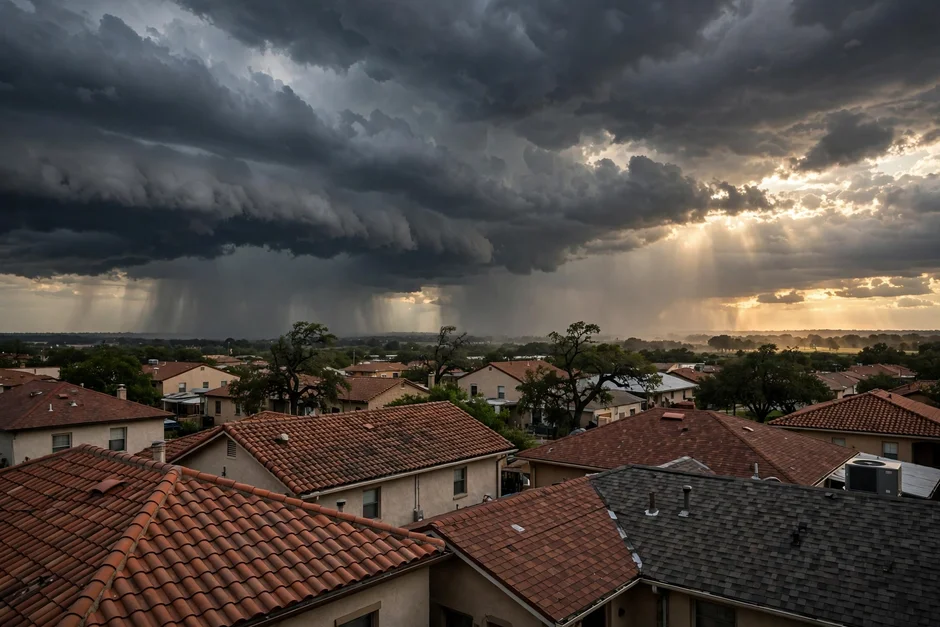
Hail is the far west’s recurring test. Bexar County logged 363 reports of hail one inch or larger between 1996 and mid-2026, about 85 percent of them in March through May, and the 31 March 2025 storm brought two-inch hail to the SeaWorld and Lackland area on the west side, with a 75-mile-per-hour gust the same day. The 12 April 2016 storm — 4.5-inch stones, around $1.36 billion in damage — hit the north of the city, and the 21 March 2024 storm dropped 2.5-inch hail in the northwest near Leon Valley. An older shingle roof takes hail harder and recovers slower than a young one, with bruised mats, granule loss, and lifted ridge caps that give out months down the line. That is why a spring-storm inspection matters here even before anything leaks: the damage sits in the mat, and the mat is the roof.
Juarez contracting & innovation LLC